SMILE DESIGN AT DR. SMILE ANTALYA
Smile design brings facial proportions, tooth shape, shade and function into one personalised plan — guided by clinical assessment and clear communication.
Treatment suitability and final planning are confirmed only after the appropriate clinical assessment.
Decisions begin with your health, facial features, priorities and long-term care needs.
Photography, scans or preview tools may support communication when clinically appropriate.
A smile design plan may be conservative and focused, or involve a staged combination of treatments.
WHAT IS SMILE DESIGN?
Smile design is a planning process rather than one single procedure. It considers the appearance of the teeth alongside function, oral health, facial features and the way you want your smile to feel.
Depending on your needs, the plan may discuss alignment, whitening, bonding, veneers, crowns, gum treatment or replacing missing teeth. Not every option is suitable or necessary for every person.
WHO MAY BENEFIT?
Smile design may be worth discussing if you are concerned about:
Suitability is confirmed only after the appropriate clinical assessment.

Illustrative image. Diagnostic records and planning tools vary according to clinical need.
THE SMILE DESIGN PROCESS
The exact sequence depends on your oral health and proposed treatment. A typical planning journey may include:
Discuss what you would like to change, relevant history and what a natural result means to you.
The dentist examines oral health, bite, teeth and gums and decides which records or imaging are required.
Photographs, scans or visual simulations may be used to explain proportion, shape, shade and possible approaches.
The team explains proposed stages, alternatives, limitations, maintenance and the next practical steps.
POSSIBLE TREATMENTS
The goal is not to include the greatest number of procedures. It is to identify the most appropriate, conservative and maintainable route for your needs.
Existing restorations, enamel, bite, gum health, tooth position, expectations and long-term care can all change what is appropriate.
Whitening may be discussed after checking oral health, sensitivity risk and how natural teeth will relate to existing restorations.
Thin ceramic veneers may be considered for selected teeth after assessing enamel, alignment, bite and the amount of preparation required.
Crowns cover more tooth structure and are considered when clinically appropriate for restoration as well as appearance.
Tooth-coloured resin can be used conservatively in selected cases to adjust shape, close small spaces or repair minor defects.
Moving teeth may improve alignment, spacing or bite and can sometimes reduce the need for restorative treatment.
Healthy gums are essential. Periodontal care or selected contouring may be discussed when the gum line affects health or smile proportions.
Implants may form part of a broader plan when missing teeth need to be replaced and clinical conditions are suitable.
THE DETAILS THAT SHAPE A SMILE
Your dentist uses these elements as a shared vocabulary for planning. Clinical limits, facial features and long-term function remain central.
Contours may appear softer, squarer, more rounded or more defined — always considered in facial context.
Width, length, symmetry and the visible tooth display influence the overall balance of a smile.
The aim is a shade that suits your features and materials, not simply the brightest possible white.
Subtle texture and light reflection can support a natural appearance where the chosen material allows.
Gum health, symmetry and tooth display are assessed together before any aesthetic gum treatment is considered.
Lip movement, facial proportions and how you smile guide communication about the intended result.
VISUAL PREFERENCE DIRECTIONS
These four visual directions can help you describe what feels most like you. They are conversation starters rather than fixed designs, and elements can be combined during personalised planning.
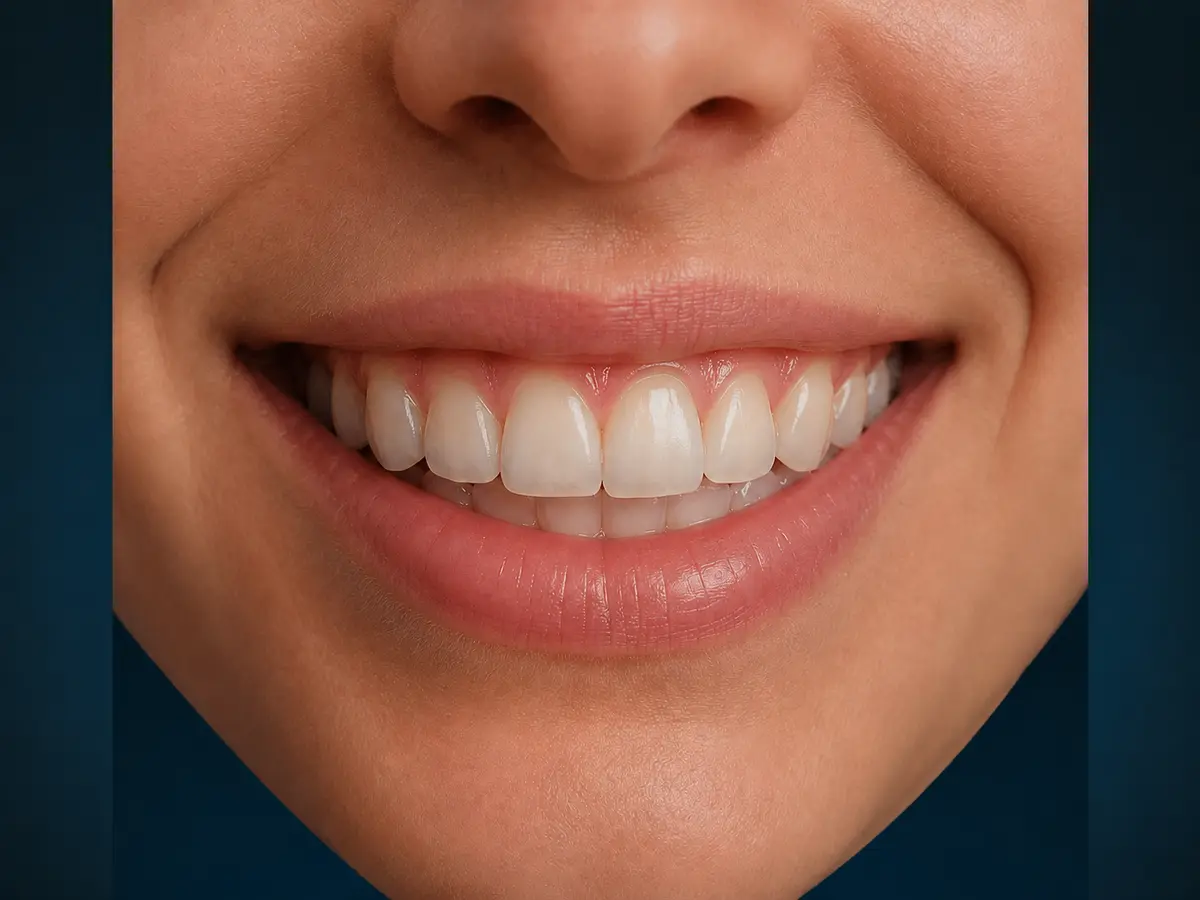
Rounded contours, gentle translucency and natural variations for a relaxed, understated direction.
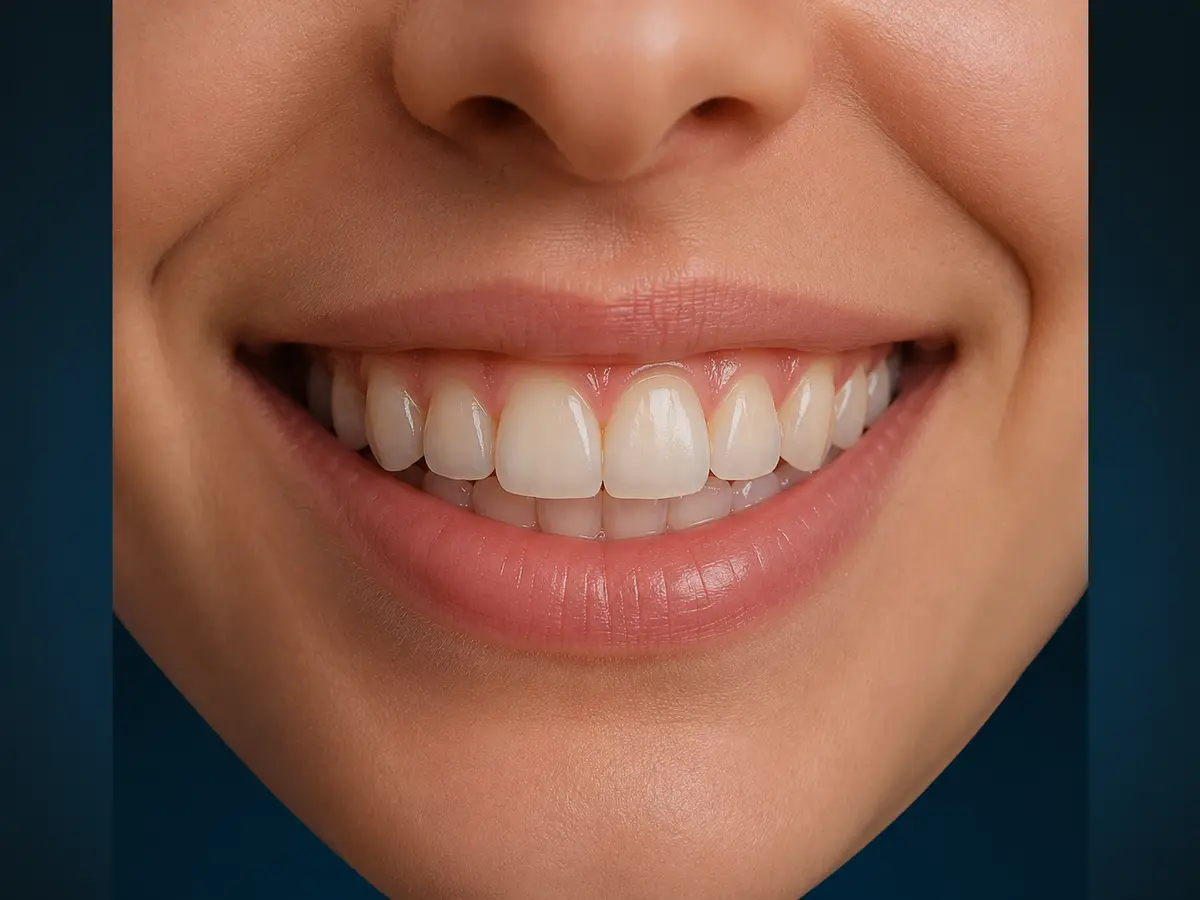
Harmonious proportions and restrained symmetry with a polished but still natural character.
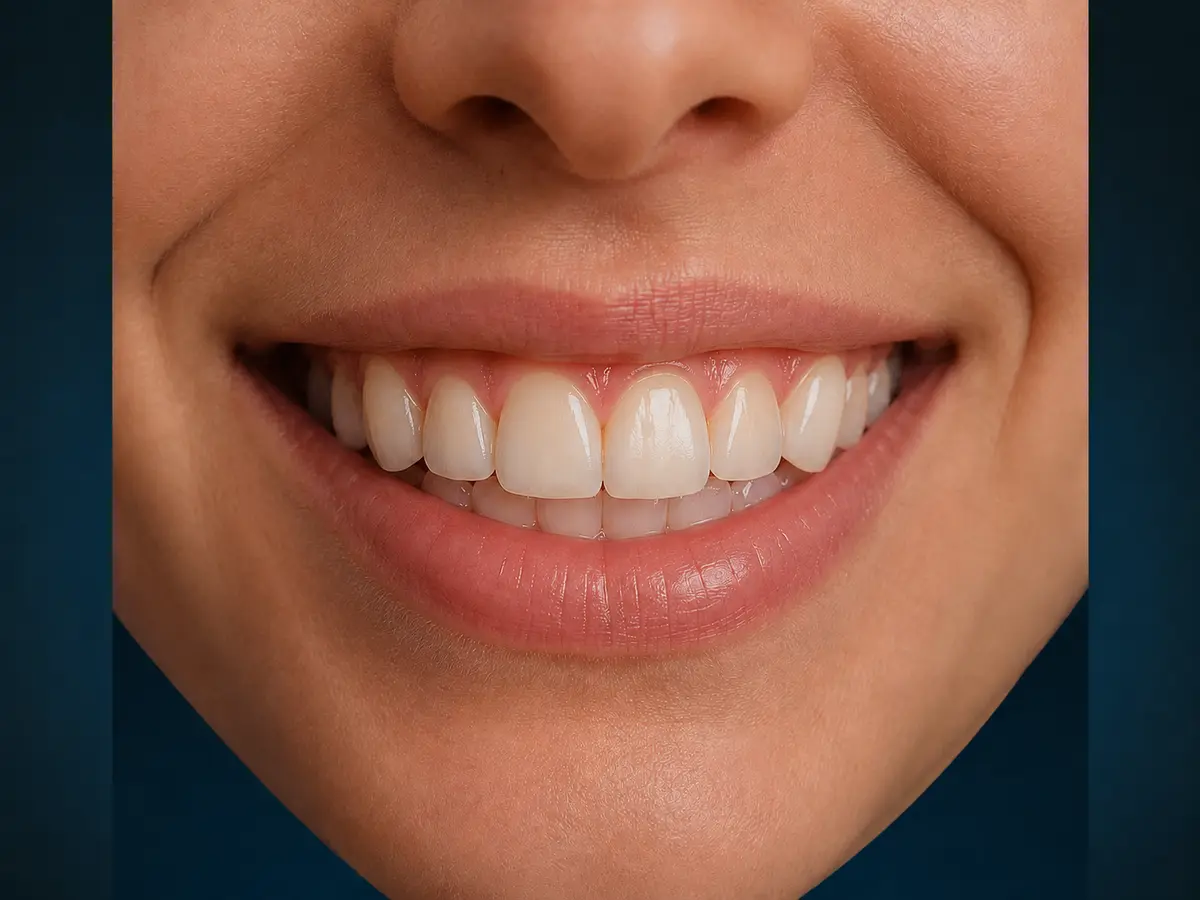
Stronger line angles and more distinctive contours for a confident, individual direction.
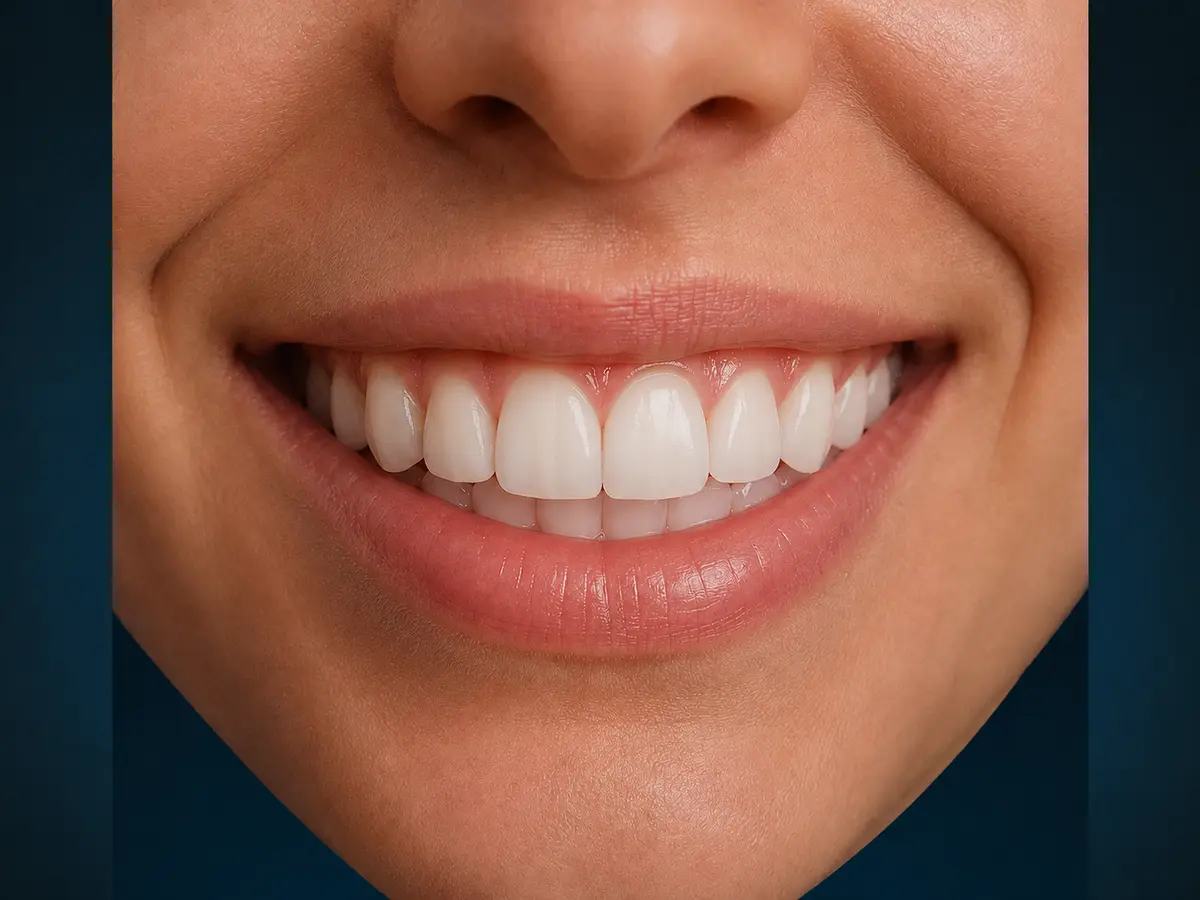
A cleaner, lighter and more even appearance without losing realistic texture or proportion.
Visual guidance only: These images support the design conversation; they are not fixed treatment packages, patient results or guaranteed outcomes. Your final plan depends on clinical assessment, facial context, oral health and functional requirements.
WHAT SHAPES THE FINAL DESIGN
Your dentist uses the following elements as a shared vocabulary for planning. Clinical limits, facial features and long-term function remain central.
Contours may appear softer, squarer, more rounded or more defined — always considered in facial context.
Width, length, symmetry and the visible tooth display influence the overall balance of a smile.
The aim is a shade that suits your features and materials, not simply the brightest possible white.
Subtle texture and light reflection can support a natural appearance where the chosen material allows.
Gum health, symmetry and tooth display are assessed together before any aesthetic gum treatment is considered.
Lip movement, facial proportions and how you smile guide communication about the intended result.
REAL PATIENT RESULTS
Each smile was planned around the patient’s facial features, dental needs and personal preferences. Explore real Dr. Smile Antalya cases shaped through thoughtful, individual planning.




Individual results may vary. Treatment suitability is determined after clinical assessment.
INTERNATIONAL PATIENT JOURNEY
For international patients, clear information before travel is as important as coordinated support in Antalya and appropriate aftercare communication.
Share your priorities and receive guidance on the information required for an initial review.
The team explains possible stages, alternatives and what must be confirmed in person.
Appointments and practical communication are coordinated around the agreed clinical pathway.
Follow-up guidance is based on your treatment and does not replace urgent local care when it is needed.
FREQUENTLY ASKED QUESTIONS
These answers provide general information. Your dentist will explain what applies to your individual situation.
No. It is a planning approach that may involve one treatment or a combination, depending on clinical findings and your priorities.
Photography, digital scans or visual simulations may sometimes support discussion. A preview is a communication tool and not a guarantee of an identical final result.
No. Some plans may focus on whitening, alignment, bonding or other conservative steps. Restorations are considered only when clinically appropriate.
The dentist considers your features, existing teeth, materials, preferences and functional requirements and discusses realistic options with you.
Timing depends on oral health, the treatments involved, healing and whether more than one visit is required. Your individual sequence is confirmed after assessment.
No. Active dental or gum disease, bite problems, insufficient tooth structure or other factors may need to be managed first or may change the options.
Start with your main concern and relevant history. The team will tell you whether photographs or imaging are needed and how to share them appropriately.
LET’S TALK ABOUT YOUR SMILE
Tell us what you would like to change. Our patient coordination team will explain what information may be useful for the next step.
WhatsApp: +90 545 213 09 59
Clinic: +90 545 213 09 09
Email: info@drsmileantalya.com
Fields marked as required must be completed.